Why Strong Foundations Decide the Life of Your Building
Why Strong Foundations Decide the Life of Your Building
Why Strong Foundations Decide the Life of Your Building
Why Strong Foundations Decide the Life of Your Building
Every impressive structure begins with something you rarely see: its foundations. Columns, façades and finishes might draw attention, but it’s the hidden work below ground that determines how long a building will stand, how it behaves under load and how much it will cost to maintain over its life cycle.
In Kenya and across the region, we are building on increasingly challenging sites: reclaimed land, soft clays, filled ground and areas with fluctuating water tables. In these conditions, traditional shallow foundations are often not enough. Poorly designed or poorly executed foundations can lead to differential settlement, cracking, water ingress and, in extreme cases, structural failure. The cost of repairing these issues after construction is always many times higher than doing it right from the start.
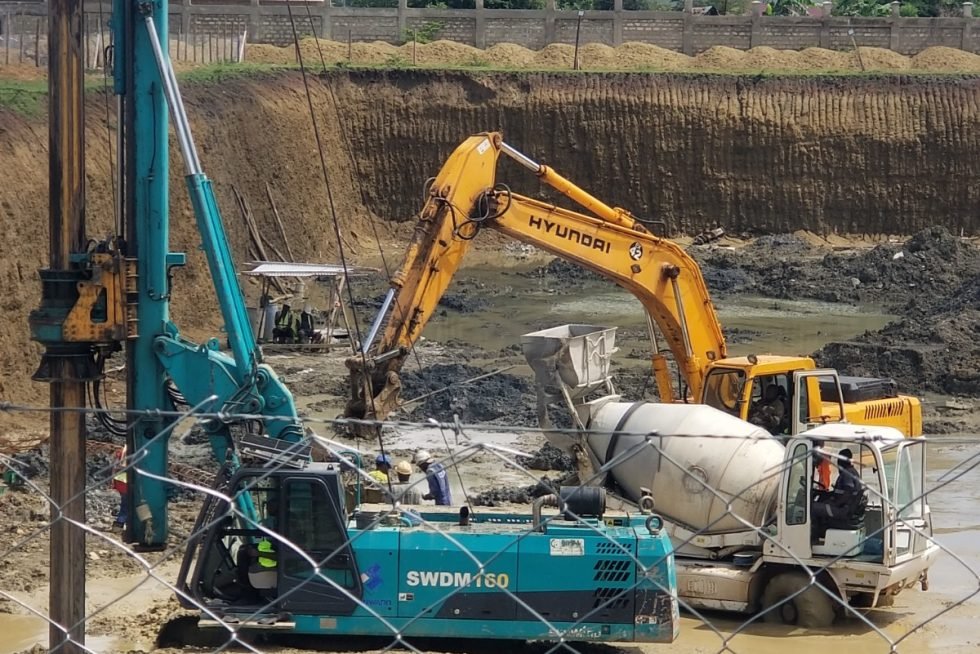
Modern foundation engineering uses tools such as site investigations, geotechnical reports and 3D analysis to understand the true behaviour of the soil–structure system. With that data, engineers can choose the right solution: bored piles, driven piles, raft foundations, micro-piles or ground improvement techniques. The goal is to transfer loads to competent strata while controlling settlement and limiting movement that might affect neighbouring buildings and services.
For developers, investing in a strong foundation strategy protects both the project and the brand. It reduces risk, unlocks difficult sites and provides peace of mind for financiers, consultants and end users. At IOTA Engineering & Construction, we like to say that every successful project begins long before the first column rises—success starts with what you build on.